how does a feather stay together?
the basic structure
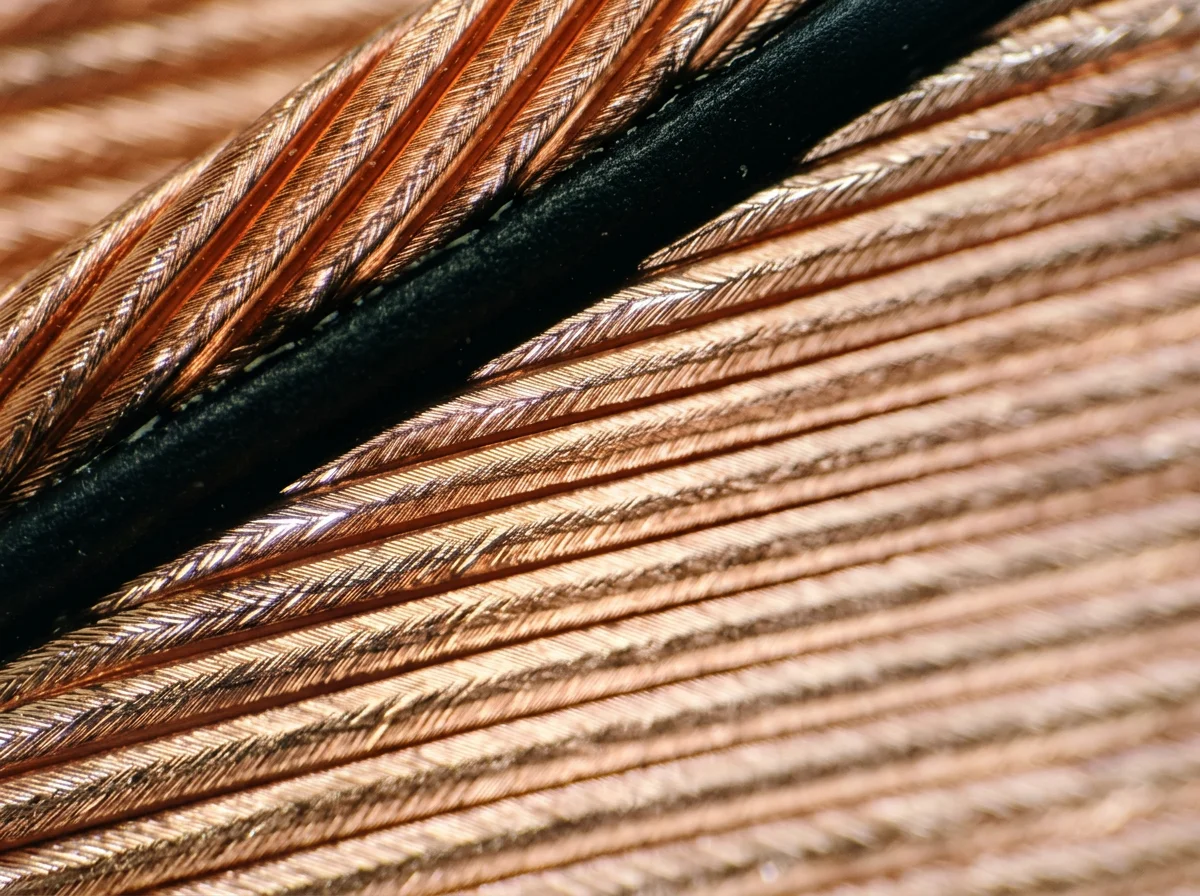
The feather we all know and love consists of a “stick”, with some feathery surface forming the famous shape. This “stick” is called the rachis (see image on the right). The “surface area” is a bit more complex.
the vane
This is where it gets interesting. The vane is what makes up most of the feather. It isn’t necessarily a surface. It is comprised of tons of barbs that branch out from the rachis (see left most image). Then out of those barbs come the barbules. That’s where the magic happens. Those barbules have tiny hooklets (see right most image) coming out of them. Because the barbules overlap these hooklets stick together like velcro, thus creating a surface. If you’ve ever seen a birds slide their beak across their feathers, they’re “redoing the velcro” so to speak.

Where does the colour come from?
A feather gets its colour from different pigments or via the light interacting with the keratin. The three main pigments are melanin, carotenoids and porphyrins. Though the last one isn’t as common.
Melanin creates black, brown, and gray. They also increase feather durability.
Carotenoids create red, orange, and yellow colours. A bird cannot synthesize these autonomously, it most come from their diet. Which is why the colour of the feathers is a good indicator of the quality of their diet.
Porphyrins create reddish brown colours.
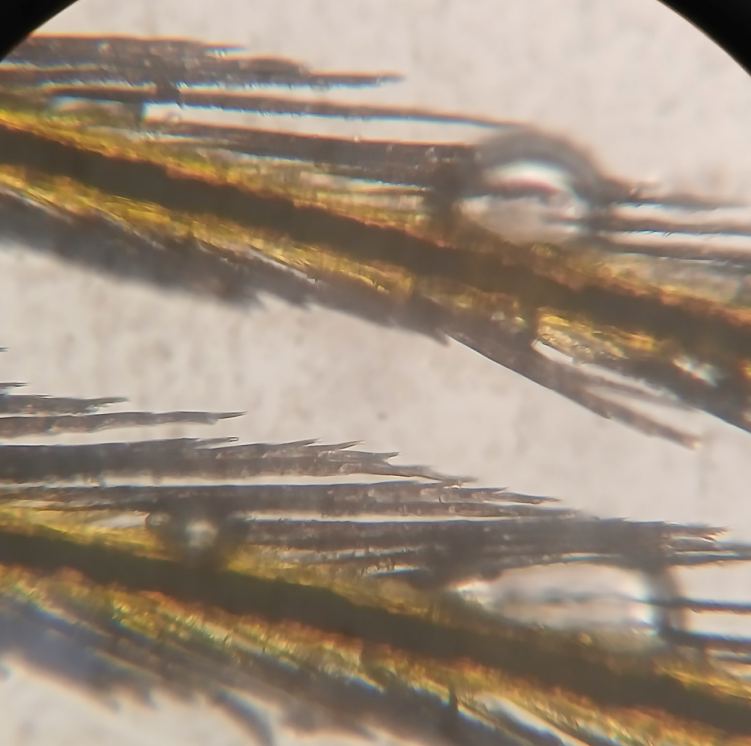
This was further confirmed when we saw that the red tail feather actually appeared red under a microscope. Whilst a green contour feather looked more yellow. With the blue likely coming from microscopic reflections in the keratin.
Is there more to know?
Certainly! here are some extra points we couldn’t sort in a specific category:
A feather grows from follicles and are stored in a protective keratin casing. These growing feathers are called pin feathers. When the feather is ready to go the sheath breaks and out comes the feather.
A feather cannot repair itself when it breaks or gets damaged since it’s made out of dead keratin, the same stuff your nails are made of. A bird replaces it’s feathers periodically to ensure that everything remains in contact.
Different feathers have different uses. Flight feathers are meant for, flight, obviously. They’re long and asymmetrical. Whilst down feathers are fluffy so they can trap air.
All microscope images were taken by me personally. Some are zoomed with the help of AI.